boum!


boum: (f) party

Elle fait une boum à la maison.

forest/woods/lake/sea/coast/beach/river

Dans le Midi, il y a souvent des incendies de 
forêt
.
Il s'est perdu dans la forêt. He got lost in the forest.

Ils sont partis cueillir des champignons dans le bois. They've gone to pick mushrooms in the woods.

Au Canada, il y a de grands 
lacs
 au pied des montagnes.
Il y a un grand lac à Genève. There's a big lake in Geneva.

Les baleines habitent dans la 
mer
.
La mer est calme. The sea is calm. 
Ils habitent au bord de la mer. They live at the seaside.

S'il fait beau, nous ferons une 
balade
 en vélo.

Il y a une grande plage de sable fin près d'ici. There's a big sandy beach nearby.

Ils ont une maison sur la côte. They have a house on the coast.

C'est agréable de marcher le long de la rivière. It's very pleasant to walk along the river.

un fleuvea river (that flows into the sea) 
La Seine et la Tamise sont des fleuves. -The Seine and the Thames are rivers.
La Seine est un 
fleuve
 qui traverse Paris.

Ils se promènent sur les rives de la Seine. They're walking along the banks of the Seine.

On pourrait faire un pique-nique au bord de l'eau. We could have a picnic by the water. 


le coquillage


le coquillage : shell
On trouve des coquillages sur la plage. 

balade/promenade

balade nf walk, stroll; (en voiture) drive
faire une baladeto go for a walk, to go for a stroll; (en voitureto go for a drive
* on pourrait faire une balade.
* Elle apprécie beaucoup les balades en forêt.
* Et si on faisait une balade? -Let's go for a walk.
* Ils sont partis faire une balade en voiture. -They've gone for a drive.
* J'adore les balades en vélos. I love bike rides.

Note that the word balade is slightly more familiar than the word promenade, so you wouldn't use it in formal situations.

une promenade
a walk 

On est allé faire une promenade. 
We went for a walk.

dommage!


C'est dommage : "it's a shame" / "it's too bad"
C'est dommage que tu ne puisses pas venir.
- It's too bad you can't come.
In spoken language, you can omit c'est and just say dommage que ...
Dommage que ce ne soit pas l'été.
- It's too bad it's not summer.

Dommage que tu n'aies pas une voiture, on aurait pu aller à la plage.

Si


Definition:


1. "so
Il fait si chaud! - It is so hot!

2."if
Si tu veux. - If you want.

In this sense, the i of si is replaced by an apostrophe if it is followed by a word that starts with a vowel.
S'il fait beau. - If the weather is OK.

3. "yes
If a question is in the negative, instead of saying oui - yes, the affirmative answer is si - yes (indeed).
Il n'y a pas de plage à Paris! - Si, je t'assure. 
There isn't a beach in Paris! - Yes, there is! I assure you.

Tu ne vas pas aller à la plage maintenant? - Si, j'y vais. 
You're not going to the beach now, are you? - Yes, I am! 

Tu ne veux pas de café. - Si, j'en veux. 
You don't want a coffee. - Yes, I do!

could and could have


to make suggestions we can use on pourrait + an infinitive verb.
On pourrait jouer au tennis. - We could play tennis.
On pourrait aller à la plage. - We could go to the beach.
On pourrait visiter un musée. - We could go to a museum.
On pourrait faire un pique-nique. - We could have a picnic.


To express what we could have done, we can use on aurait pu + the infinitive. 
(Pu is the past participle of the verb pouvoir - "to be able to.")
On aurait pu jouer au tennis. - We could have played tennis. 
On aurait pu aller à la plage. - We could have gone to the beach. 
On aurait pu faire un pique-nique. - We could have gone for a picnic.

marrant

Definition (informal adj) :

1. funny

Ce n'est pas marrant ! - It's not funny!

David, il est marrant ! - David is so funny!


Son personnage dans le film était marrant, j'ai beaucoup ri.


2.Odd, strange

C'est marrant, parce que je ne me souviens pas de son prénom. - It's strange, because I can't remember his name

C'est marrant qu'il n'ait pas réagi à la provocation.

C'est marrant, je pensais à un copain que je n'avais pas vu depuis des années, je viens de le rencontrer!

weather


Il y a du vent. - It is windy (literally: there is wind). 
Il va y avoir du vent. - It is going to be windy. 
Il y a beaucoup de vent. - It's very windy. 
Sur les côtes, il y a du vent. It's windy on the coast.
Il y a trop de vent, c'est impossible de jouer au badminton.
Le matin, il fera froid ey il y aura des vents forts.


Il y a du soleil. - It is sunny. 
Il va y avoir du soleil. - It is going to be sunny. 
Il y a beaucoup de soleil. - It is very sunny.
Dans le Midi, il y a souvent du soleil. It is often sunny in the south of France.
Il va y avoir de belles éclaircies dans l'après-midi. There will be sunny intervals in the afternoon.
Fais attention au soleill : mets de la crème et un chapeau.
Le matin il fera très chaud et ensoleilé avec risque d'orages dans la soirée.


Il fait froid. - It is cold. 
Il va faire froid. - It is going to be cold. 
J'ai froid. - I'm cold. 


Il fait chaud. - It is hot. 
Il va faire chaud. - It is going to be hot. 
Il fait trop chaud. - It is too hot. 
J'ai chaud. - I'm hot. 
J'ai trop chaud. - I'm too hot.
Il fait 35°C, j'ai chaud.


Il fait doux. - It's mild. 

Il fait mauvais. - It's bad weather. 

Il fait beau. - It's nice weather. 

Il fait humide. - It's muggy.


Quand il neige, il fait froid.
Il neige. - It is snowing.
Il va neiger. - It is going to snow.
Dans les Alpes, il neige. It is snowing in the Alps.
Il y avait 30 centimètres de neige ce matin. There were 30 centimeters of snow this morning.
J'espère qu'il y a beaucoup de neige, je veux aller faire du ski.
Pendant la matinée, il va neiger au dessus de 1200m.


Prends un parapluie, il va pleuvoir!
Il pleut. - It is raining. 
Il va pleuvoir. - It is going to rain.
Aujourd'hui il pleut. Il faut prendre un parapluie. -Today it's raining. You will need an umbrella.
J'en ai assez de la pluie! -I'm fed up with rain!
J'ai un grand parapluie noir. I have a big black umbrella.
Il va bientôt pleuvoir, prends un parapluie!
Il pleut beaucoup mais heureusement il y a de belles éclaircies.
Un temps pluvieux - A rainy weather
Il va pleuvoir pendant la journée avec de belles éclaircies vers le soir.


Il y a du brouillard sur les autoroutes. -It's foggy on the freeways.
En hiver, il y a souvent du brouillard sur les routes.


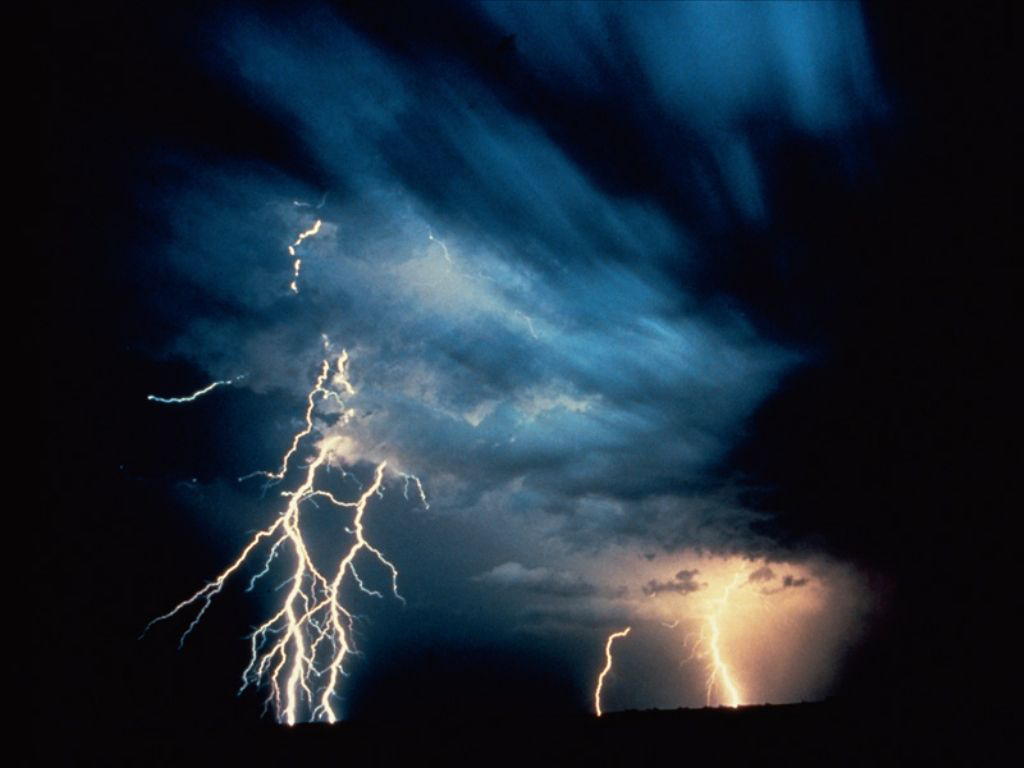
Pendant la nuit, il va y avoir des orages. There are going to be storms in the night.
Il fait trop chaud et très humide, il va y avoir un orage.


Il y avait de gros nuages gris dans le ciel. -There were some big gray clouds in the sky.
Dans la matinée, le temps sera nuageux. It's going to be cloudy in the morning.
Le ciel était tout bleu, il n'y avait pas un nuage.