boum!


boum: (f) party

Elle fait une boum à la maison.

forest/woods/lake/sea/coast/beach/river

Dans le Midi, il y a souvent des incendies de 
forêt
.
Il s'est perdu dans la forêt. - He got lost in the forest.

Ils sont partis cueillir des champignons dans le bois. - They've gone to pick mushrooms in the woods.

Au Canada, il y a de grands 
lacs
 au pied des montagnes.
Il y a un grand lac à Genève. - There's a big lake in Geneva.

Les baleines habitent dans la 
mer
.
La mer est calme. - The sea is calm. 
Ils habitent au bord de la mer. - They live at the seaside.

S'il fait beau, nous ferons une 
balade
 en vélo.

Il y a une grande plage de sable fin près d'ici. - There's a big sandy beach nearby.

Ils ont une maison sur la côte. - They have a house on the coast.

C'est agréable de marcher le long de la rivière. - It's very pleasant to walk along the river.

un fleuve- a river (that flows into the sea) 
La Seine et la Tamise sont des fleuves. -The Seine and the Thames are rivers.
La Seine est un 
fleuve
 qui traverse Paris.

Ils se promènent sur les rives de la Seine. - They're walking along the banks of the Seine.

On pourrait faire un pique-nique au bord de l'eau. - We could have a picnic by the water. 


le coquillage


le coquillage : shell
On trouve des coquillages sur la plage. 

balade/promenade

balade nf walk, stroll; (en voiture) drive
faire une baladeto go for a walk, to go for a stroll; (en voiture) to go for a drive
* on pourrait faire une balade.
* Elle apprécie beaucoup les balades en forêt.
* Et si on faisait une balade? -Let's go for a walk.
* Ils sont partis faire une balade en voiture. -They've gone for a drive.
* J'adore les balades en vélos. - I love bike rides.

Note that the word balade is slightly more familiar than the word promenade, so you wouldn't use it in formal situations.

une promenade
a walk 

On est allé faire une promenade. 
We went for a walk.

dommage!


C'est dommage : "it's a shame" / "it's too bad"
C'est dommage que tu ne puisses pas venir.
- It's too bad you can't come.
In spoken language, you can omit c'est and just say dommage que ...
Dommage que ce ne soit pas l'été.
- It's too bad it's not summer.

Dommage que tu n'aies pas une voiture, on aurait pu aller à la plage.

Si


Definition:


1. "so" 
Il fait si chaud! - It is so hot!

2."if" 
Si tu veux. - If you want.

In this sense, the i of si is replaced by an apostrophe if it is followed by a word that starts with a vowel.
S'il fait beau. - If the weather is OK.

3. "yes" 
If a question is in the negative, instead of saying oui - yes, the affirmative answer is si - yes (indeed).
Il n'y a pas de plage à Paris! - Si, je t'assure. 
There isn't a beach in Paris! - Yes, there is! I assure you.

Tu ne vas pas aller à la plage maintenant? - Si, j'y vais. 
You're not going to the beach now, are you? - Yes, I am! 

Tu ne veux pas de café. - Si, j'en veux. 
You don't want a coffee. - Yes, I do!

could and could have


to make suggestions we can use on pourrait + an infinitive verb.
On pourrait jouer au tennis. - We could play tennis.
On pourrait aller à la plage. - We could go to the beach.
On pourrait visiter un musée. - We could go to a museum.
On pourrait faire un pique-nique. - We could have a picnic.


To express what we could have done, we can use on aurait pu + the infinitive. 
(Pu is the past participle of the verb pouvoir - "to be able to.")
On aurait pu jouer au tennis. - We could have played tennis. 
On aurait pu aller à la plage. - We could have gone to the beach. 
On aurait pu faire un pique-nique. - We could have gone for a picnic.

marrant

Definition (informal adj) :

1. funny

Ce n'est pas marrant ! - It's not funny!

David, il est marrant ! - David is so funny!


Son personnage dans le film était marrant, j'ai beaucoup ri.


2.Odd, strange

C'est marrant, parce que je ne me souviens pas de son prénom. - It's strange, because I can't remember his name

C'est marrant qu'il n'ait pas réagi à la provocation.

C'est marrant, je pensais à un copain que je n'avais pas vu depuis des années, je viens de le rencontrer!

weather


Il y a du vent. - It is windy (literally: there is wind). 
Il va y avoir du vent. - It is going to be windy. 
Il y a beaucoup de vent. - It's very windy. 
Sur les côtes, il y a du vent. - It's windy on the coast.
Il y a trop de vent, c'est impossible de jouer au badminton.
Le matin, il fera froid ey il y aura des vents forts.


Il y a du soleil. - It is sunny. 
Il va y avoir du soleil. - It is going to be sunny. 
Il y a beaucoup de soleil. - It is very sunny.
Dans le Midi, il y a souvent du soleil. - It is often sunny in the south of France.
Il va y avoir de belles éclaircies dans l'après-midi. - There will be sunny intervals in the afternoon.
Fais attention au soleill : mets de la crème et un chapeau.
Le matin il fera très chaud et ensoleilé avec risque d'orages dans la soirée.


Il fait froid. - It is cold. 
Il va faire froid. - It is going to be cold. 
J'ai froid. - I'm cold. 


Il fait chaud. - It is hot. 
Il va faire chaud. - It is going to be hot. 
Il fait trop chaud. - It is too hot. 
J'ai chaud. - I'm hot. 
J'ai trop chaud. - I'm too hot.
Il fait 35°C, j'ai chaud.


Il fait doux. - It's mild. 

Il fait mauvais. - It's bad weather. 

Il fait beau. - It's nice weather. 

Il fait humide. - It's muggy.


Quand il neige, il fait froid.
Il neige. - It is snowing.
Il va neiger. - It is going to snow.
Dans les Alpes, il neige. - It is snowing in the Alps.
Il y avait 30 centimètres de neige ce matin. - There were 30 centimeters of snow this morning.
J'espère qu'il y a beaucoup de neige, je veux aller faire du ski.
Pendant la matinée, il va neiger au dessus de 1200m.


Prends un parapluie, il va pleuvoir!
Il pleut. - It is raining. 
Il va pleuvoir. - It is going to rain.
Aujourd'hui il pleut. Il faut prendre un parapluie. -Today it's raining. You will need an umbrella.
J'en ai assez de la pluie! -I'm fed up with rain!
J'ai un grand parapluie noir. - I have a big black umbrella.
Il va bientôt pleuvoir, prends un parapluie!
Il pleut beaucoup mais heureusement il y a de belles éclaircies.
Un temps pluvieux - A rainy weather
Il va pleuvoir pendant la journée avec de belles éclaircies vers le soir.


Il y a du brouillard sur les autoroutes. -It's foggy on the freeways.
En hiver, il y a souvent du brouillard sur les routes.


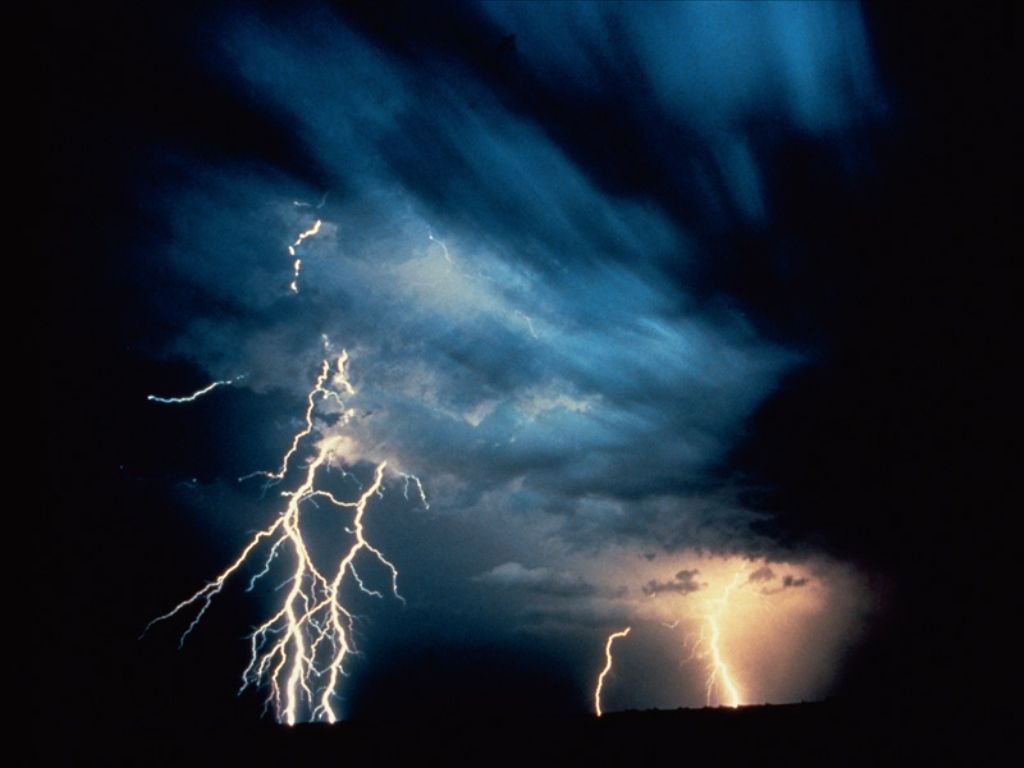
Pendant la nuit, il va y avoir des orages. - There are going to be storms in the night.
Il fait trop chaud et très humide, il va y avoir un orage.


Il y avait de gros nuages gris dans le ciel. -There were some big gray clouds in the sky.
Dans la matinée, le temps sera nuageux. - It's going to be cloudy in the morning.
Le ciel était tout bleu, il n'y avait pas un nuage. 



en faveur de...

en faveur de : in the favor of

*Je voterai en faveur de ce projet.

lorsque

lorsque: when

*J'allais composer ton numéro lorsque tu as appelé.  I was about to dial your number when you called.  

disposer de...

disposer de: to have (at one's disposal)

Je dispose d'un ordinateur.  I have access to a computer.  

loger

loger : to accommodate

Loger chez un de ses amis

cependant

cependant: however

Je crois cependant que la ministre de la Justice examine ces différentes options.

I believe, however, that the justice minister is considering all those options.

les pouvoirs publics

les pouvoir publics: the public authorities

comporter

comporter: to be composed of, to consist of

*Le château comporte trois parties.  The castle consists of three parts.  


  *Le logement comporte quatre pièces.   The dwelling is composed of 4 rooms.

davantage

davantage: more

Il devrait travailler davantage.  He ought to work more.  

au milieu de...

au milieu de: in the middle of

*Pose le vase au milieu de la table: Put the vase in the middle of the table.  

porter sur...

porter sur: to be about

*L’effort de construction a porté d’abord sur des immeubles collectifs.

*Cette recherche, menée dans 83 pays, portait sur les défis de plus en plus importants qui affectent la communication.  

in a house

un salon
a sitting room 

Il y a une cheminée dans la salon. 
There's a fireplace in the sitting room.

une entrée
an entrance, a hallway 

Il y a une grande entrée qui donne sur le salon. 
There's a large hallway that leads into the sitting room.

une salle à manger
a dining room 

La salle à manger est à côté de la cuisine. 
The dining room is next to the kitchen.

une salle de séjour
a reception room, a living room 

Il y a une belle salle de séjour qui fait salon-salle à manger. 
There's a big living room, which doubles as a sitting room and dining room.

une salle de bain
a bathroom 

Il y a deux salles de bain dans la maison. 
There are two bathrooms in the house.

une cuisine
a kitchen 

La cuisine n'est pas grande. 
The kitchen isn't big.

une table
a table 

Il y a une table pour deux personnes. 
There is a table for two.

une table basse
a coffee table 

Pose ton verre sur la table basse. 
Leave your glass on the coffee table.

une chaise
a chair 

Il y a deux chaises. 
There are two chairs.

un canapé
a sofa 

Il y a un canapé-lit. 
There's a sofa bed.

un fauteuil
an armchair 

Ils ont acheté un canapé et un fauteuil assortis.
They bought a matching sofa and armchair.

un four
an oven 

Il y a un four électrique. 
There is an electric oven.

un four à micro-ondes
a microwave (oven) 

Les fours à micro-ondes sont très pratiques. 
Microwave ovens are very handy.

un frigo
a fridge 

Il y a un petit frigo. 
There is a small fridge.

un congélateur
a freezer 

Il y a des glaces dans le congélateur. 
There's ice cream in the freezer.

une machine à laver
a washing machine 

Il n'y a pas de machine à laver. 
There isn't a washing machine.

un lave-vaisselle
a dishwasher 

Il y a un lave-vaisselle. 
There is a dishwasher.

une cuisinière à gaz / électrique
a gas / electric range or stove 

J'ai une cuisinière à gaz. 
I have a gas stove.

un / une propriétaire
a landlord, an owner 

Le propriétaire cherche un nouveau locataire. 
The owner is looking for a new tenant.

un / une locataire
a tenant 

L'ancien locataire avait peint la chambre en rose. 
The previous tenant painted the bedroom pink.


au sortir de qqc

au sortir de l'hiver: as winter nears its end.
au sortir de l'enfance: as childhood nears its end
au sortir de la seconde geurre mondiale: as the second wold war nears its end